


How Often Should You Mail Postcards to Local Customers?
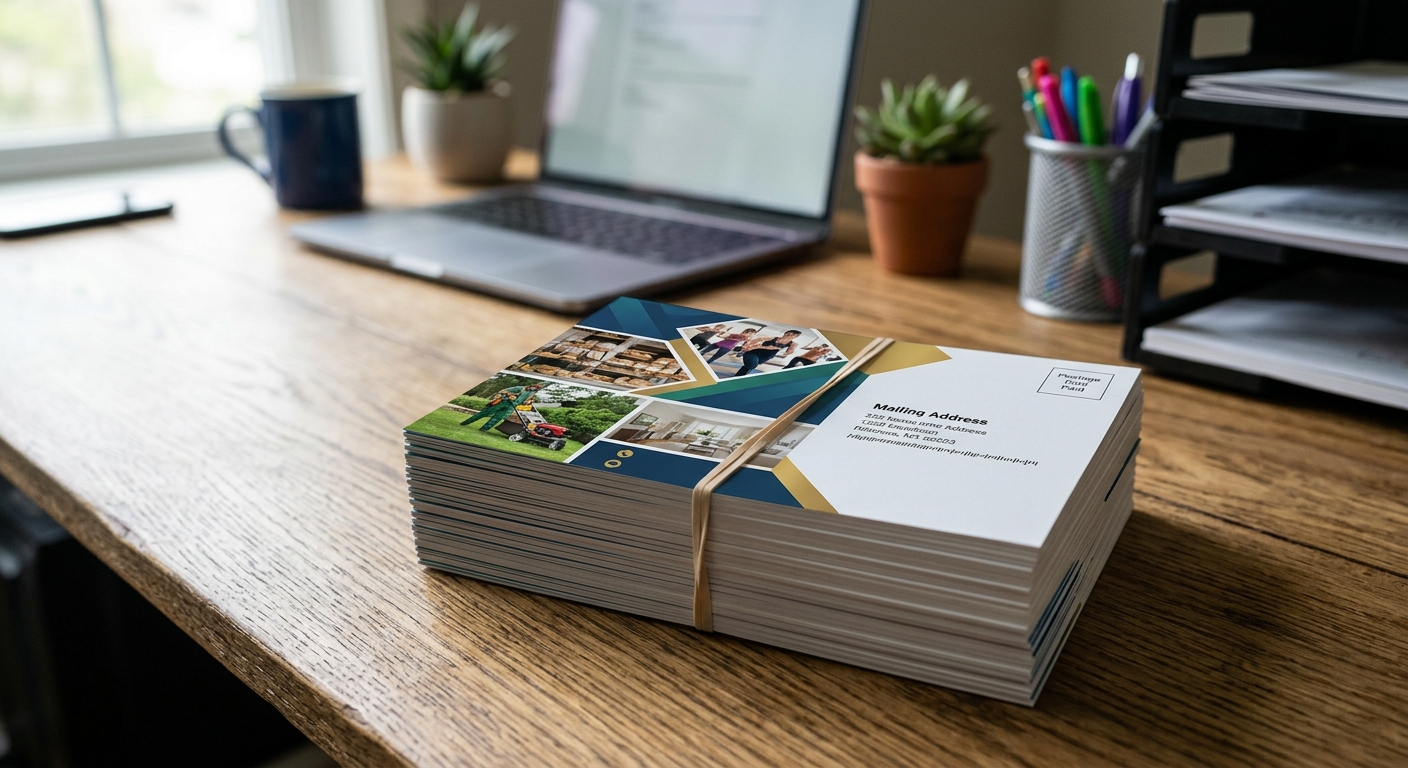
Most business owners think direct mail is dead. It's not. They just haven't figured out how often to show up in the mailbox without getting tossed. Digital might be fast, but postcards stick around. They get handled, pinned to fridges, and passed around. The trick isn't whether to mail—it's knowing when to stop being invisible and when to ease off before you become annoying.
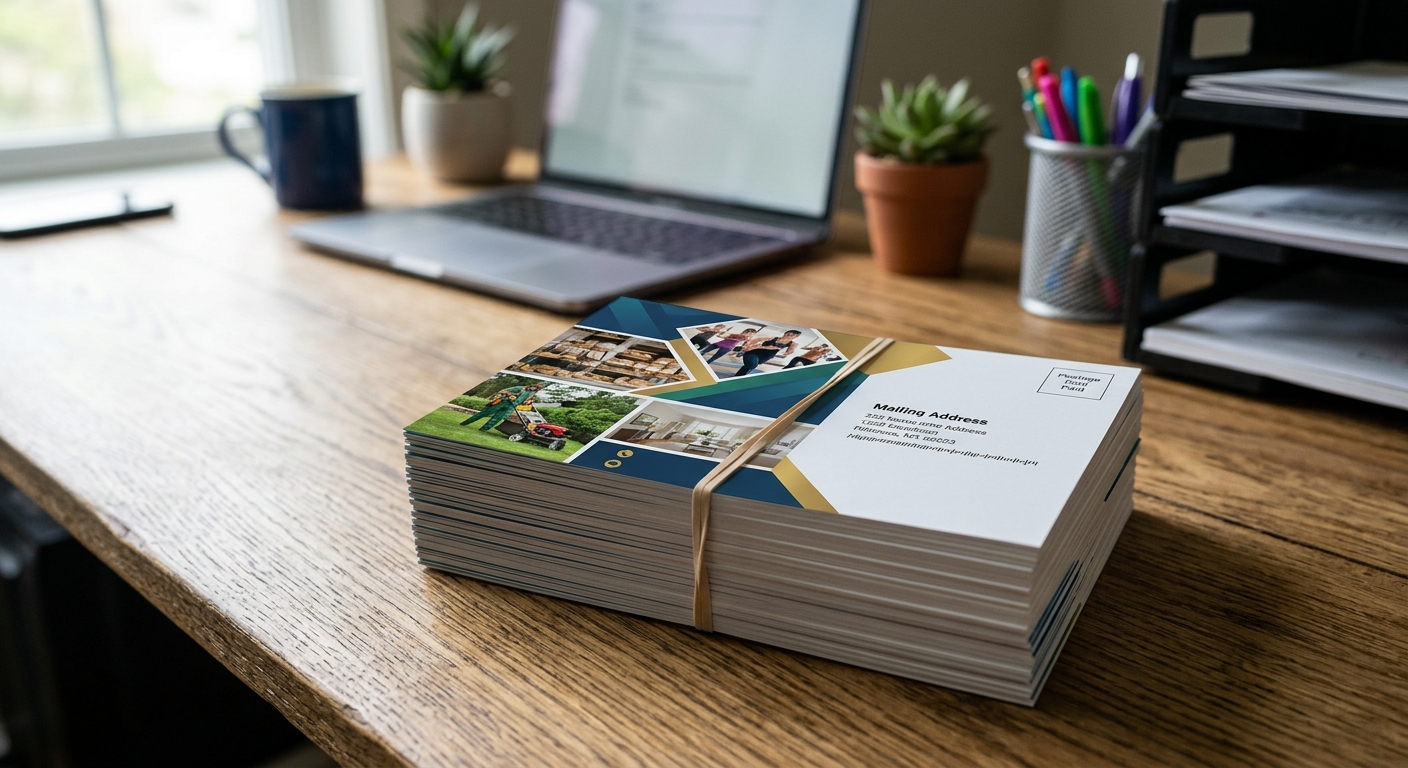
Frequency matters more than most people realize. Send too few, and your business becomes background noise. Send too many, and you're the reason people start checking "return to sender." We've seen both ends of the spectrum, and neither one builds loyalty. What works is rhythm—steady, intentional contact that respects attention without demanding it every week.
What Your Campaign Actually Needs to Accomplish
Before we talk schedules, let's talk purpose. Not every postcard deserves the same timeline. Promoting a weekend sale? That's a one-and-done sprint. Building brand recognition in a three-mile radius? That's a marathon with checkpoints. The goal dictates the cadence, and if you skip this step, you're guessing—and guessing costs money.
Some campaigns need momentum. Others need patience. A grand opening hits different than a quarterly service reminder. Figure out what you're actually trying to achieve, and the frequency starts making sense. If the message changes every time, the schedule can flex. If the offer stays consistent, so should your presence.
The Sweet Spot Most Businesses Land On
We recommend mailing every four to six weeks. That's the zone where you stay visible without becoming a nuisance. It's frequent enough that people remember your name, but spaced enough that they don't roll their eyes when your card shows up. This interval works across industries—retail, service-based, even B2B operations targeting local clients.
Monthly drops are popular for a reason. They create a pattern. Customers start expecting your card, and expectation builds familiarity. Bi-monthly works too, especially if your budget's tight or your offers don't refresh that often. Quarterly? That's the outer edge. Go longer than that, and you're practically starting over every time.
- Monthly mailings keep your brand in steady rotation and work well when promotions shift regularly
- Bi-monthly schedules stretch budgets further while maintaining enough presence to stay relevant
- Quarterly drops make sense for high-ticket services or seasonal businesses with longer decision cycles
- Weekly mailings almost always backfire unless you're a grocery chain with rotating specials that justify the volume
- One-off campaigns are fine for events or launches, but they don't build the long-term recognition that repeat contact does
What Actually Drives the Timing
Your industry plays a role. Restaurants can mail more often because deals rotate fast. HVAC companies? Maybe not. Customer lifecycle matters too. Fresh leads need more touches than someone who's been buying from you for five years. Budget constraints are real—don't blow through your allocation in two months and then vanish for the rest of the year.
Seasonality shifts the game. Tax prep firms should ramp up in January, not July. Pool services hit hard in spring. If your business has a peak window, your mailing schedule should reflect that. And always—always—track response rates. If your sixth card in six weeks gets half the engagement of your first, you've answered your own question.
- Retailers with frequent promotions can sustain monthly or even bi-weekly contact without fatiguing their audience
- Service providers with longer sales cycles benefit from spaced-out mailings that align with decision windows
- Budget determines reach and frequency—choose consistency over sporadic blasts that confuse your audience
- Seasonal peaks demand front-loaded schedules that taper off when demand drops
- Response tracking tells you when to push harder and when to pull back before diminishing returns kick in
How to Make Every Drop Count
Frequency only matters if the content works. Segment your list so you're not sending the same card to new movers and ten-year loyalists. Use clear, single-focus calls to action—don't cram three offers onto one card and hope people decode it. Track results with unique codes or dedicated URLs so you know which drops actually moved the needle.
Test different intervals. Try monthly for three months, then shift to bi-monthly and compare. Refine your design, your messaging, your timing. Direct mail isn't set-it-and-forget-it. It's a feedback loop, and the businesses that treat it like one are the ones still mailing five years later because it works.
- Audience segmentation ensures relevance and prevents generic messaging that gets ignored
- Single, bold calls to action outperform cluttered postcards trying to do too much at once
- Tracking mechanisms like promo codes or custom landing pages show which mailings drive actual conversions
- Design consistency builds recognition over time—change the offer, not the entire look every drop
- Testing reveals what your specific audience responds to, and assumptions don't hold up against data
Finding Your Rhythm Without Burning Out Your List
There's no magic formula that works for every business, but four to six weeks is the baseline most of us circle back to. It's enough to build presence without becoming wallpaper. Adjust based on what you sell, who you're reaching, and what the numbers tell you after a few cycles. Consistency beats intensity every time.
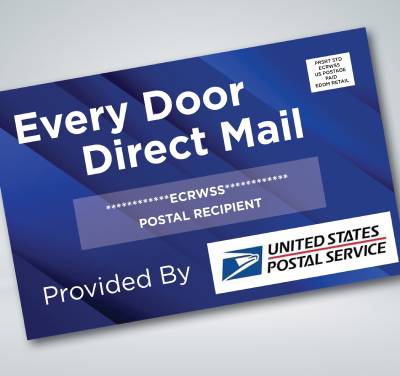
Understanding high-quality postcard printing and implementing direct mail marketing tips can help businesses develop effective EDDM strategies while tracking ROI of print marketing and using design tips for eye-catching postcards that resonate with local audiences.
We've guided businesses through direct mail strategies that don't just fill mailboxes—they drive traffic, build loyalty, and create measurable ROI. If you're ready to dial in a postcard schedule that actually works for your market, call 877-400-0297 or reach out online. We'll help you figure out the frequency that fits your goals, your budget, and your customers' tolerance for showing up where it counts.
Let’s Get Your Postcards Working Smarter
We know that finding the right mailing rhythm can make all the difference in how your business connects with local customers. Let’s work together to craft a postcard campaign that keeps your brand top of mind—without overwhelming your audience or wasting your budget. If you’re ready to see what a strategic direct mail schedule can do for your business, give us a call at 561-200-9412 or request an estimate and let’s get started on your next campaign.
See Our Work